Empowering Communities Through Healthcare & Education
Our social enterprises deliver quality healthcare and modern education, creating sustainable impact and transforming lives across communities.
Our social enterprises deliver quality healthcare and modern education, creating sustainable impact and transforming lives across communities.
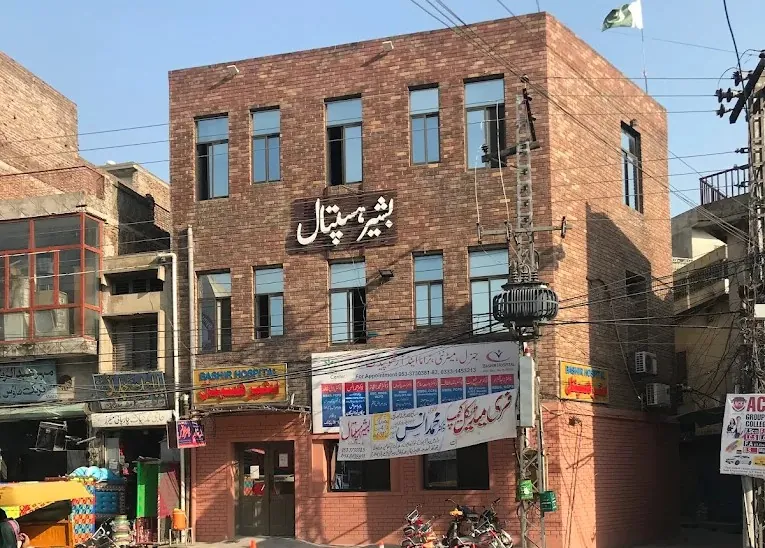
Redefining healthcare through innovation, compassion, and world-class medical standards.
Bashir Hospital, Gujrat is named after the late Mirza Muhammad Bashir, father of Dr. Ijaz Bashir, who envisioned a healthcare institution grounded in the principles of socially responsible entrepreneurship, where quality treatment would be affordable and accessible to people across all socio-economic backgrounds. His vision was rooted in the belief that healthcare in the private sector should uphold fairness and inclusivity.
Dr. Ijaz Bashir turned this vision into reality by establishing Bashir Hospital in Gujrat and developed it into a commercially viable institution guided by the same principles. The hospital follows best practices and upholds high standards of professional ethics.
Bashir Hospital has consistently provided quality treatment within the paying capacity of the common man. Its experience demonstrates that socially responsible entrepreneurship is not only viable but also sustainable as a model that benefits both society and its founders and investors.
In addition to patient care, the hospital has also contributed to society by supporting the training and development of healthcare students and young professionals, extending its impact beyond clinical services.
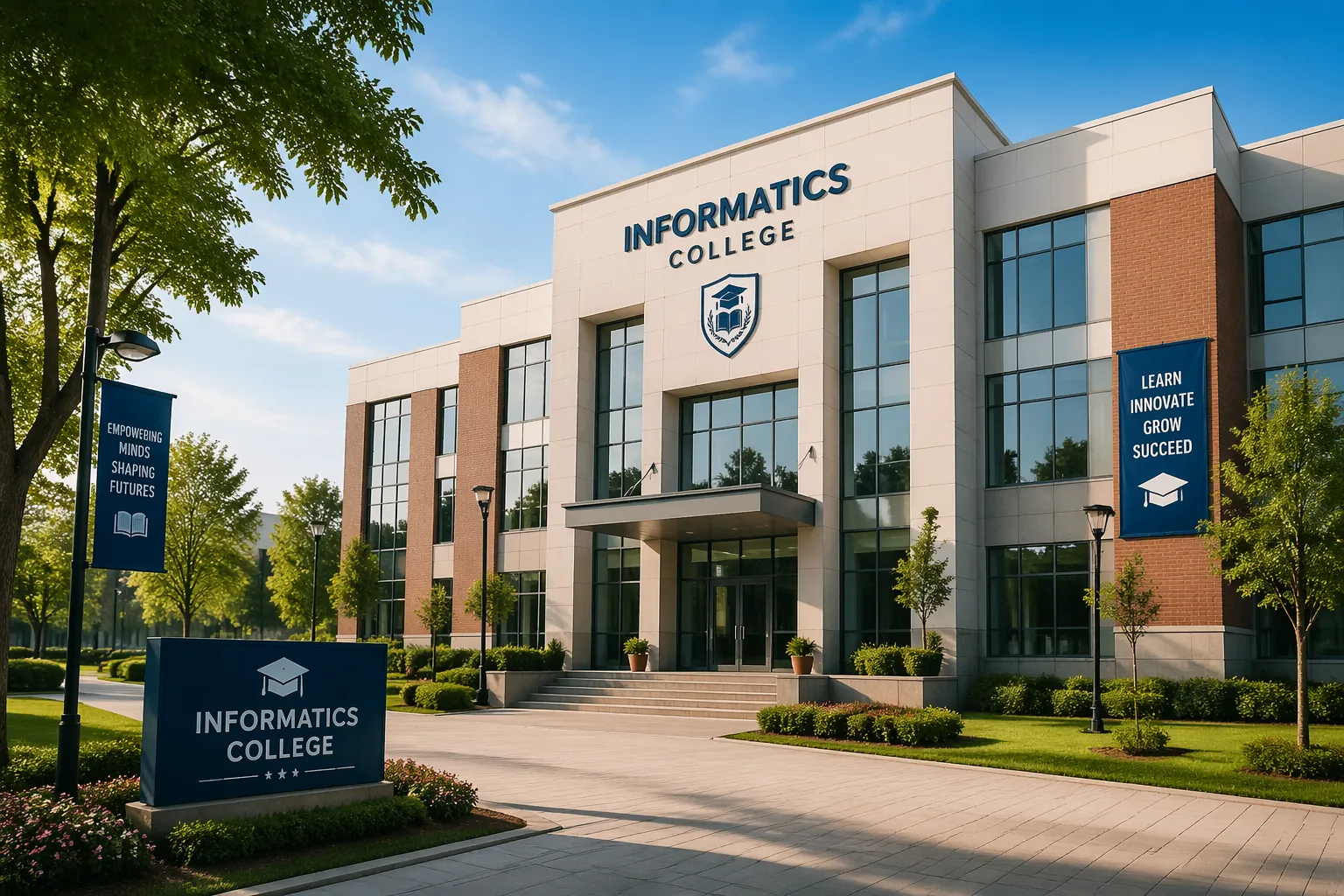
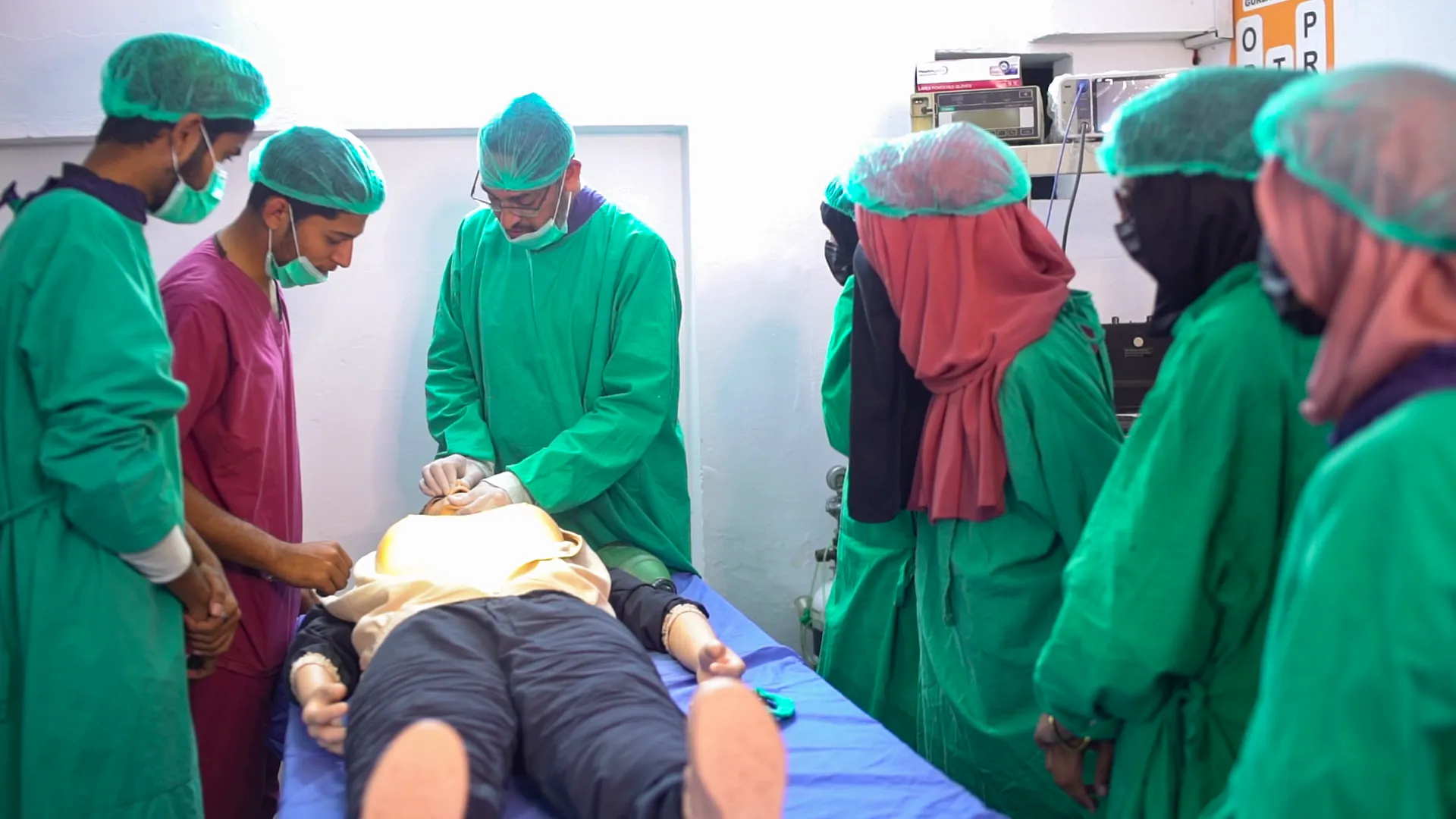
Empowering students with modern education, digital skills, and practical learning for a successful future.
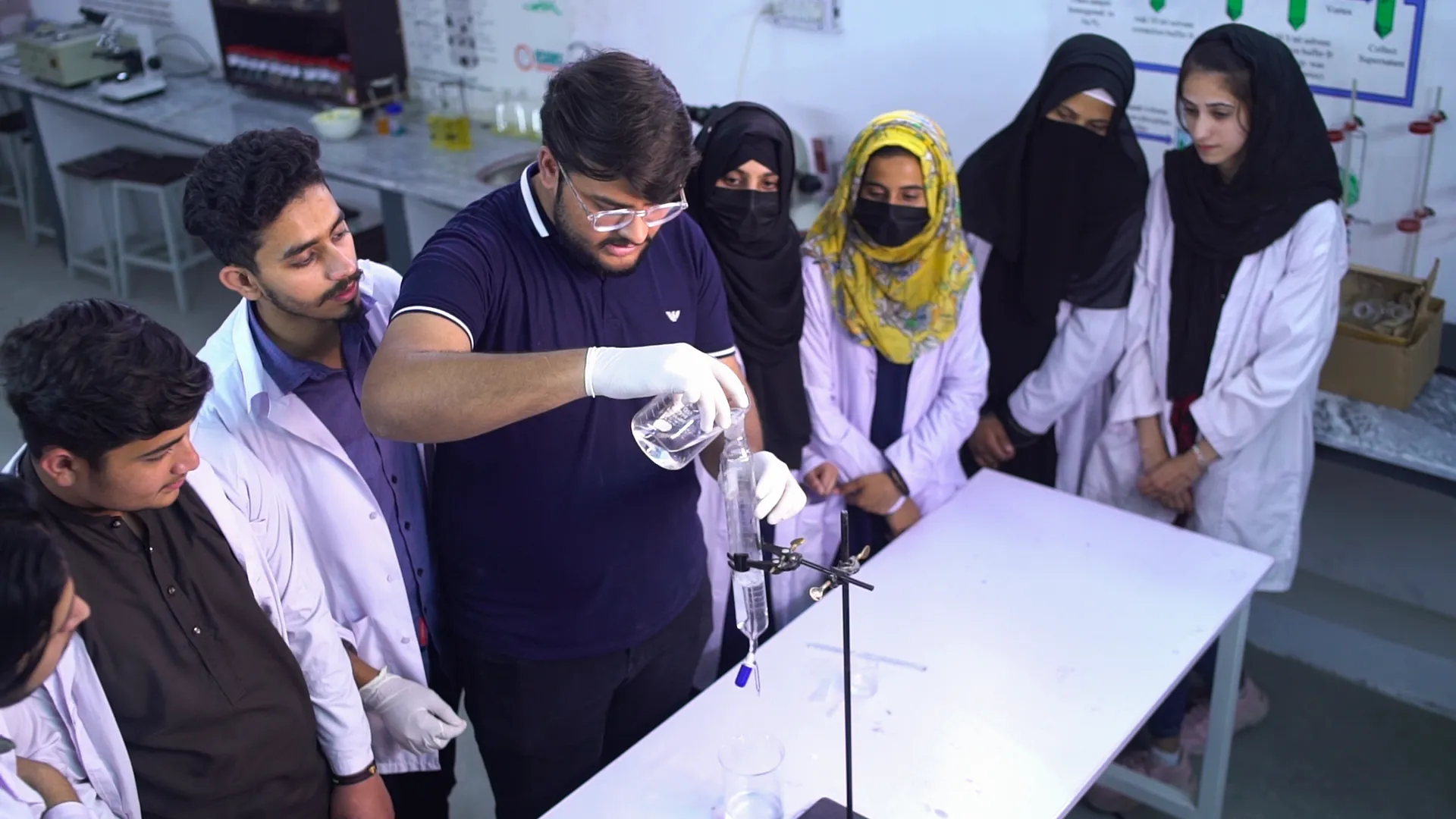
Informatics College of Allied Health Sciences, Gujrat.
An Exemplary Model of Social Impact–Driven Education.
Informatics College of Allied Health Sciences stands as a strong and practical example of social impact entrepreneurship. The institution was established with a clear commitment to serving society, where the income generated is significantly utilized for the development and long-term sustainability of the institution. It remains focused on delivering quality education and professional training at an affordable cost, with social impact at the core of its mission and goals. The idea behind this institution began to take shape in the 1990s, when Dr. Ijaz Bashir initiated his welfare mission. During this period, he identified a significant shortage of trained professionals across Allied Health Sciences in Gujrat and its neighboring districts. The reliance on professionals from major cities such as Lahore and Islamabad was not only difficult but also significantly increased the cost of healthcare services, ultimately placing a financial burden on the common patient.
At the same time, a prevailing trend among local youth interested in the medical field was a strong preference for pursuing MBBS degrees. When they left their hometowns for higher education, they selected MBBS in comparison with Allied Health. As a result, the allied health sector remained largely neglected and continued to face a shortage of trained professionals at the regional level of Gujrat and neighboring districts. In parallel, every year a considerable number of young individuals from Gujrat continue to seek employment abroad. However, many migrate without formal skills and often end up in low-skilled jobs, working in miserable conditions, despite the growing global demand for trained professionals in allied health fields. Given the sustained level of youth migration from Gujrat, this ongoing phenomenon represents a significant opportunity that can be effectively utilized in the best interest of society. Recognizing these interconnected challenges, Dr. Ijaz Bashir envisioned a practical and forward-thinking approach. His vision was to equip local youth with professional skills in allied health fields, enabling them to contribute at local, national, and international levels within the healthcare sector.
As part of this vision, between 1996 and 1998, a UK-trained nurse, Lucy Dennis, was invited to Gujrat. She spent approximately one year training local individuals in healthcare technical skills. Over time, those trained individuals went on to train others, resulting in the development of a sustainable and self-reinforcing system of skills transfer and capacity building. The importance of strengthening the allied health sector, consistently emphasized by Dr. Ijaz Bashir, was later realized at the governmental level. This realization led to the establishment of medical and paramedical colleges in Gujrat after 2007. Building upon this broader institutional momentum, Informatics College of Allied Health Sciences was formally established in 2022. The core objective of the college is to integrate academic learning with hands-on practical training. In this regard, Bashir Hospital, Ayesha Bashir Hospital, Cleft Hospital, and the Disability Rehabilitation Centre (The Mahomed Gatrad Artificial Limb and Clubfoot Center) serve as key training centers. In addition, the college maintains active collaboration with other public and private hospitals and healthcare facilities in Gujrat. This integrated model enables students to develop professional competencies alongside their academic education.
The institutional model is specifically designed to bridge the gap between academia and the job market, particularly within the allied health sector. Students are trained in accordance with modern healthcare industry requirements so that, upon graduation, they are fully prepared to perform effectively and contribute immediate value in professional environments. The college is registered with all relevant regulatory bodies within the country and follows internationally recognized healthcare training standards, including alignment with World Health Organization guidelines. Its students and graduates gain valuable practical exposure by working alongside qualified doctors and allied health professionals across local, national, and international settings.
Above all, the institution has emerged as a source of hope for Gujrat. It provides talented youth with access to quality professional education at the minimum possible cost, enabling them to build respected and sustainable careers in allied health fields. At the same time, the college continues to contribute to Gujrat and its neighboring districts by developing a well-educated, skilled, and professionally trained human resource base, thereby strengthening the overall healthcare system.